

Unusual elevator noises should never be ignored. Grinding, squeaking, humming, or rattling sounds often indicate mechanical wear or electrical imbalance.
In Oman’s climate, dust and heat can accelerate wear on elevator components.
🔊 Common Types of Elevator Noise
1️⃣ Grinding or Rumbling Noise
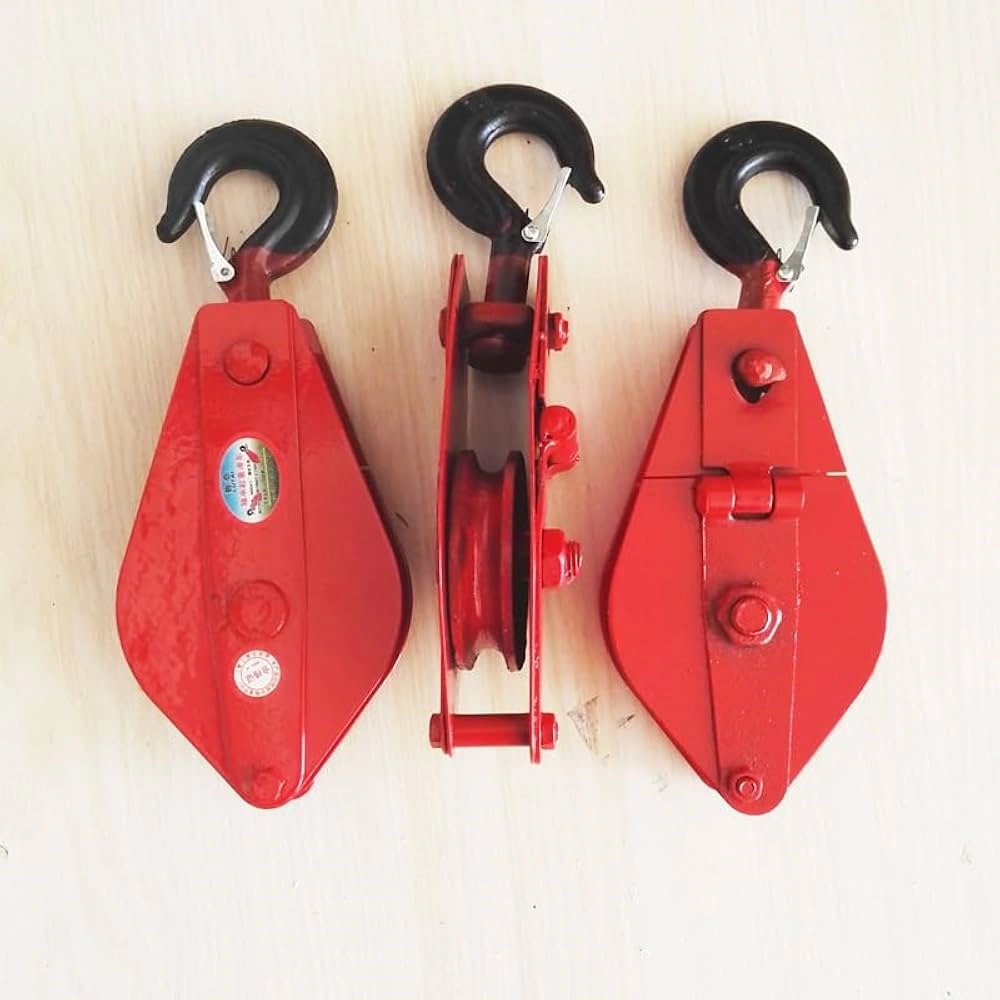
Often linked to worn motor bearings or damaged sheaves.
2️⃣ Squeaking Sound
Usually caused by:
- ● Dry bearings
- ● Worn rollers
- ● Misaligned guide rails
3️⃣ Loud Humming
May indicate:
- ● Electrical imbalance
- ● Inverter issues
- ● Overloaded motor
4️⃣ Rattling or Vibrating
Could be:
- ● Loose components
- ● Cable tension issues
- ● Guide rail misalignment
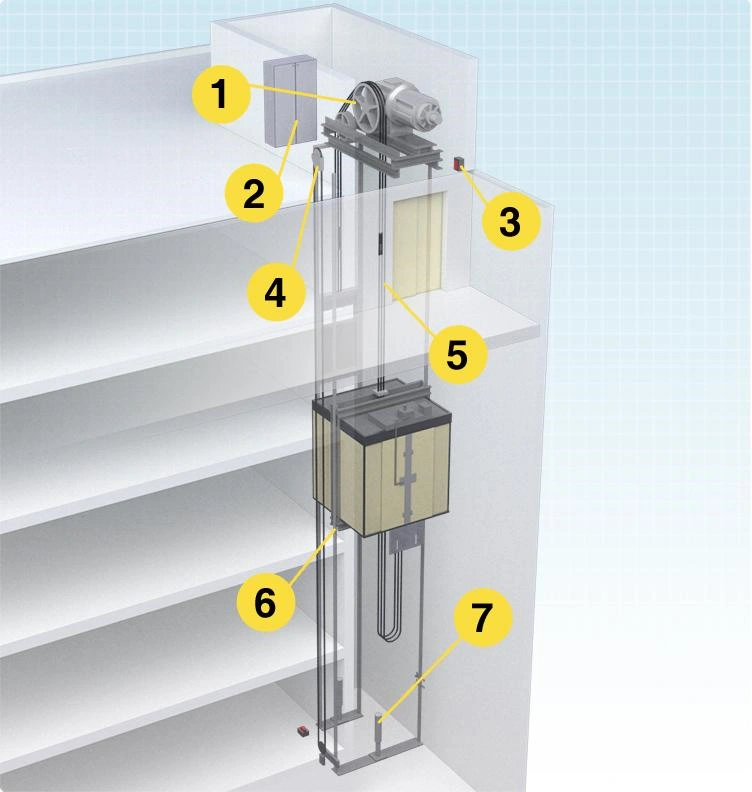
🔧 Key Components That Cause Elevator Noise
⚙️ Elevator Motor
Motor imbalance or overheating creates humming or vibration.
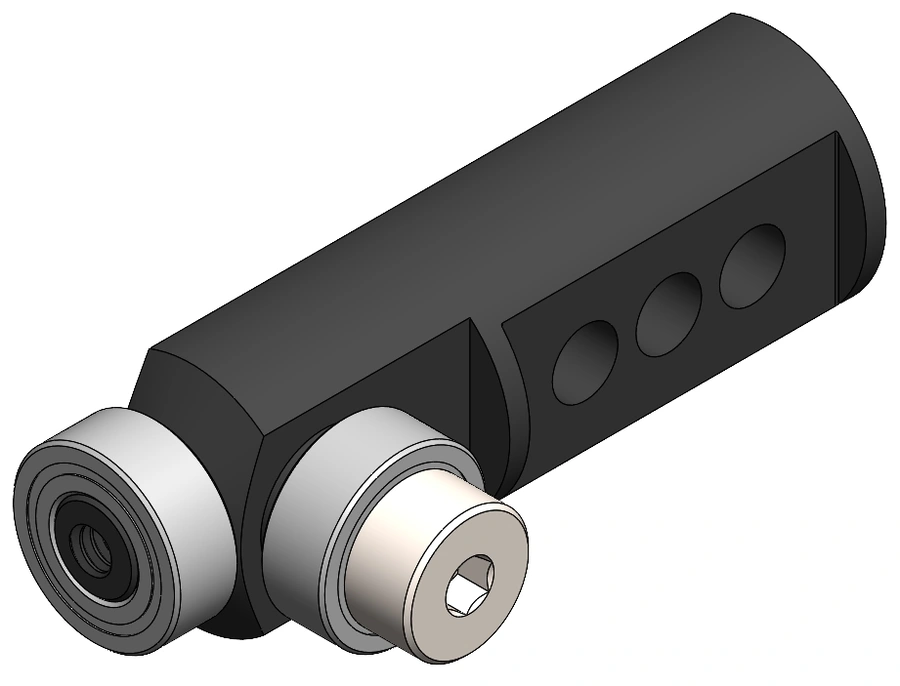
🔩 Bearings
Bearings wear over time and create grinding sounds.
🪢 Wire Ropes
Improper lubrication or wear causes friction noise.
🧭 Guide Shoes & Rollers
Worn rollers lead to rattling during movement.
🏢 Brand-Specific Considerations
High-performance elevators from:
- ● KONE
- ● Otis
- ● Mitsubishi Electric
- ● Schindler
require precise part matching to maintain quiet ride comfort.
⚠️ Why Noise Should Not Be Ignored
Noise is often the first warning before:
- ● Major mechanical failure
- ● Cable damage
- ● Motor burnout
- ● Safety gear activation
Early inspection prevents costly emergency lift repairs in Muscat.
🛠 Solutions
- ✔ Lubricate moving components
- ✔ Replace worn bearings
- ✔ Adjust cable tension
- ✔ Inspect inverter performance
- ✔ Tighten loose components
Final Thoughts
Elevator noise problems usually indicate wear in motors, bearings, or cables. Prompt maintenance ensures safety and extends equipment lifespan.
SkyLink Trading provides reliable elevator spare parts in Oman with fast delivery in Muscat and surrounding regions.